By Jonathan Chen
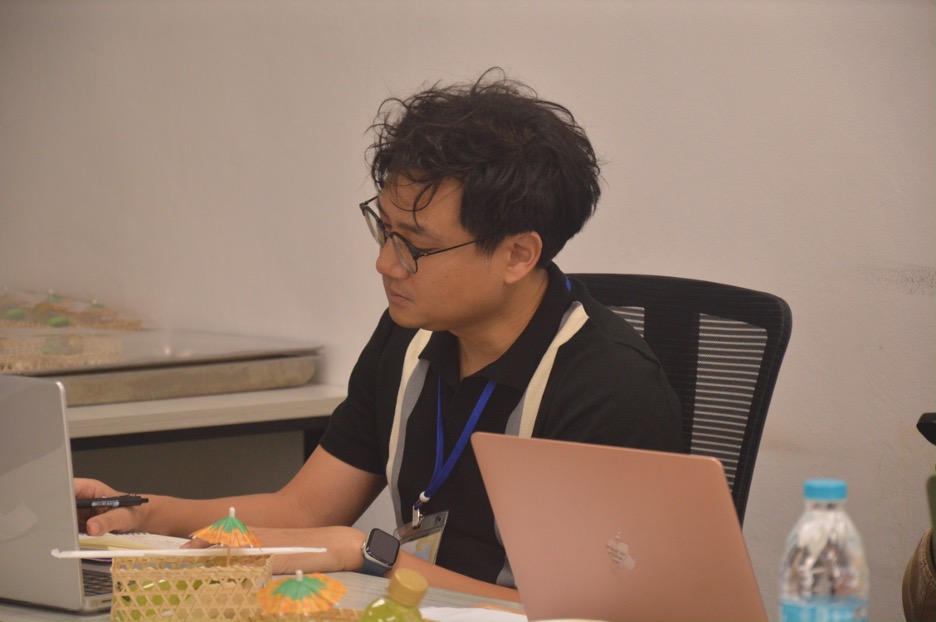
Entering the fourth year of my PhD journey and having finished a few draft chapters, I was ready and eager to put my ideas and arguments to the test. My research focuses on the historical processes of infrastructural globalization at the frontier and the broader trade dynamics between Western China and its southern neighbours (Burma and Tonkin) from the 1890s to the late 1930s.
At the core of my argument, I wanted to highlight a new trans-regional understanding of these frontiers by reimaging them as networks of critical pathways linked by commercial highways rather than as sites of isolation. Nonetheless, at this stage of my writing I felt I had reached an impasse grappling with larger academic debates surrounding the field of borderland studies and questioning how my ideas could intersect and contribute. Feedback is the lifeblood of academic work, and I wanted to benefit from perspectives beyond the narrow ken of my own research domain and academic field.
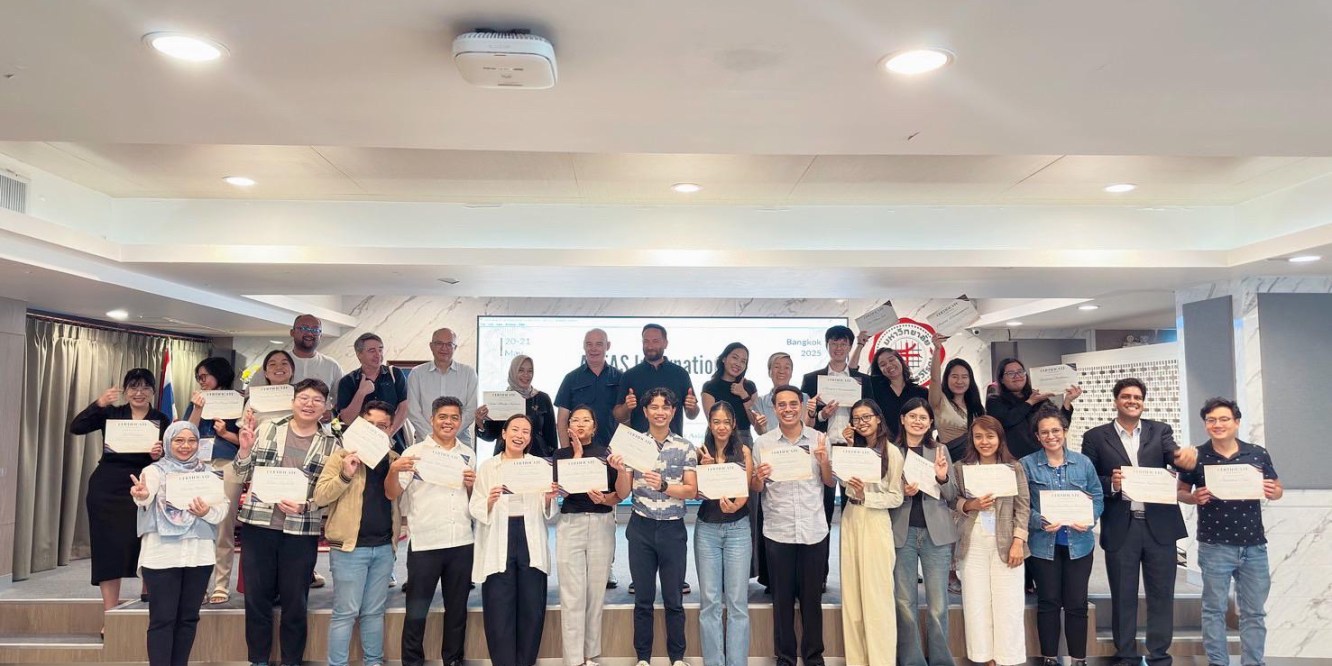
Thus, it was opportune that I chanced upon an avenue in the form of an academic workshop that promises an intensive review of a selected chapter or proposal by esteemed and internationally renowned experts and advisors. Hosted by Srinakharinwirot University in Bangkok, Thailand, this was the second International PhD workshop organized by the UK-based Association of Southeast Asian Studies (ASEAS) held from 20-21 May 2025.
The workshop not only served as a platform to extend sources of feedback and comments to a larger community of scholars on their writing, but it also gave students much food for thought moving forward beyond the completed PhD thesis. I felt this was the most understated yet valuable part of the workshop. The format of how feedback was carried out was both novel and intense – presenters had five minutes to speak but the rest of the session concentrated on comments and discussion.
It certainly did not assuage my anxieties given the fact that I was assigned as the first presenter of my group, but I found the exercise immensely helpful. Although feedback was critical, it was balanced which allowed me to see both the kinks and potentialities of my chapter. More importantly, everyone was genuinely interested and vested in the betterment and progress of each other’s research. It also was my first taste of academic camaraderie and a collegial spirit amongst peers and advisors.
While the workshop kept to its international namesake with students and advisors hailing from universities around the world, it was also one that was truly interdisciplinary in its repertoire and scope. It was an eye-opener for me to sit in on topics that I was unfamiliar with or uninformed about just to gain new insights on my own work which I would not have gotten. The workshop featured students in various stages of their PhD journey and there was a good mix of both topics on quantitative and qualitative studies covering domains as eclectic as the political economy of forestry to contemporary studies on social media and electoral outcomes.
It is through these discussions and presentations of cutting-edge papers that I felt a sense of optimism for Southeast Asian studies, a field that is far from stagnant in its ability to adapt to changing circumstances. One participant sought to connect her study on Myanmar’s post-coup conflict to the wider resistance movements of the world. Another participant drew parallels between the literature on good institutions and corruption with the Philippines as a case study. My own research aims to bring the frontiers of Southeast Asia in tandem with its historic status as an important region in a forgotten era of globalization.
The two-day workshop was interspersed with talks on career development and tips on getting published – two fundamental drivers on why students embarked on their PhDs in the first place that are not often talked about or discussed. In the narrow pursuit of the completion of a PhD dissertation, these are important issues that I was glad that the workshop featured. Invariably, everyone contributed to the workshop to make it a success and in turn gained much from it. For me, it was initially the feedback from an expert panel that motivated me. Yet, as I reflected, I felt the workshop provided more than that. It gave me a platform to build connections and a space to consider myriad pathways for the success of my own research and journey as an early career researcher.
By Jonathan Chen, PhD Candidate, Comparative Asian Studies (CAS) Programme, National University of Singapore (NUS).

 ASEAS
ASEAS 